

Refining Nasal Structure & Balance
Rhinoplasty, or nose reshaping surgery, is a procedure performed to improve nasal appearance, function, or both. It may be recommended to refine the size or shape of the nose, correct structural irregularities, or enhance breathing. At Dr Marco’s practice, the procedure is carefully planned to ensure alignment with each individual’s anatomy and clinical objectives.
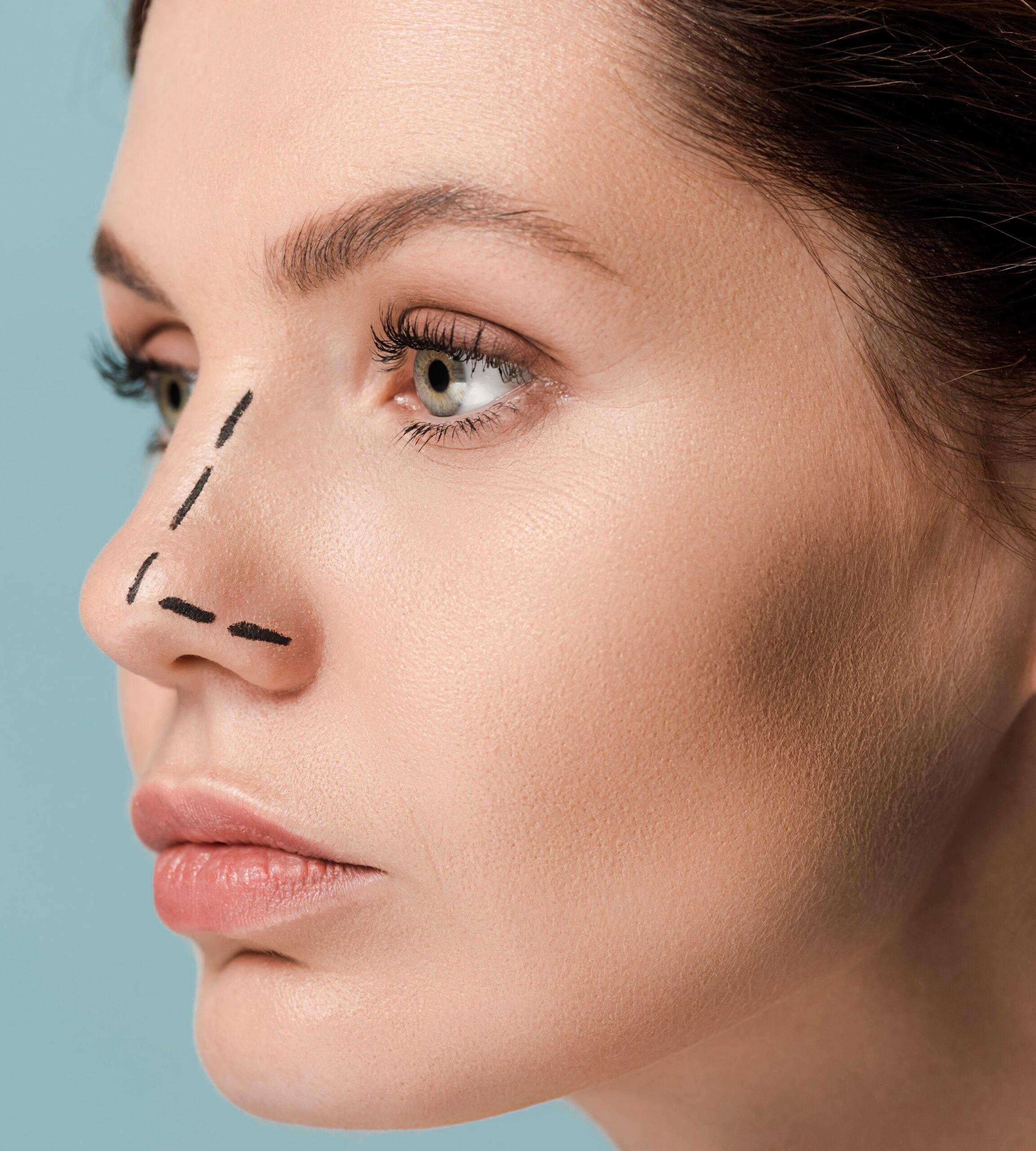
What to Expect from Rhinoplasty
Rhinoplasty is a highly individualized procedure aimed at refining the nose’s appearance, restoring balance to facial features, or improving nasal function. The approach is meticulously tailored to each patient’s unique facial anatomy, aesthetic goals, and any functional concerns. The surgeon considers factors such as nose size, shape, bridge, tip, nostrils, and overall facial symmetry to ensure results that are natural-looking and harmonious.
Here’s a step-by-step overview of what to expect before, during, and after rhinoplasty surgery.
Pre-Surgery Preparation
Thorough preparation is essential for a smooth surgical experience, optimal healing, and achieving the best possible outcome.
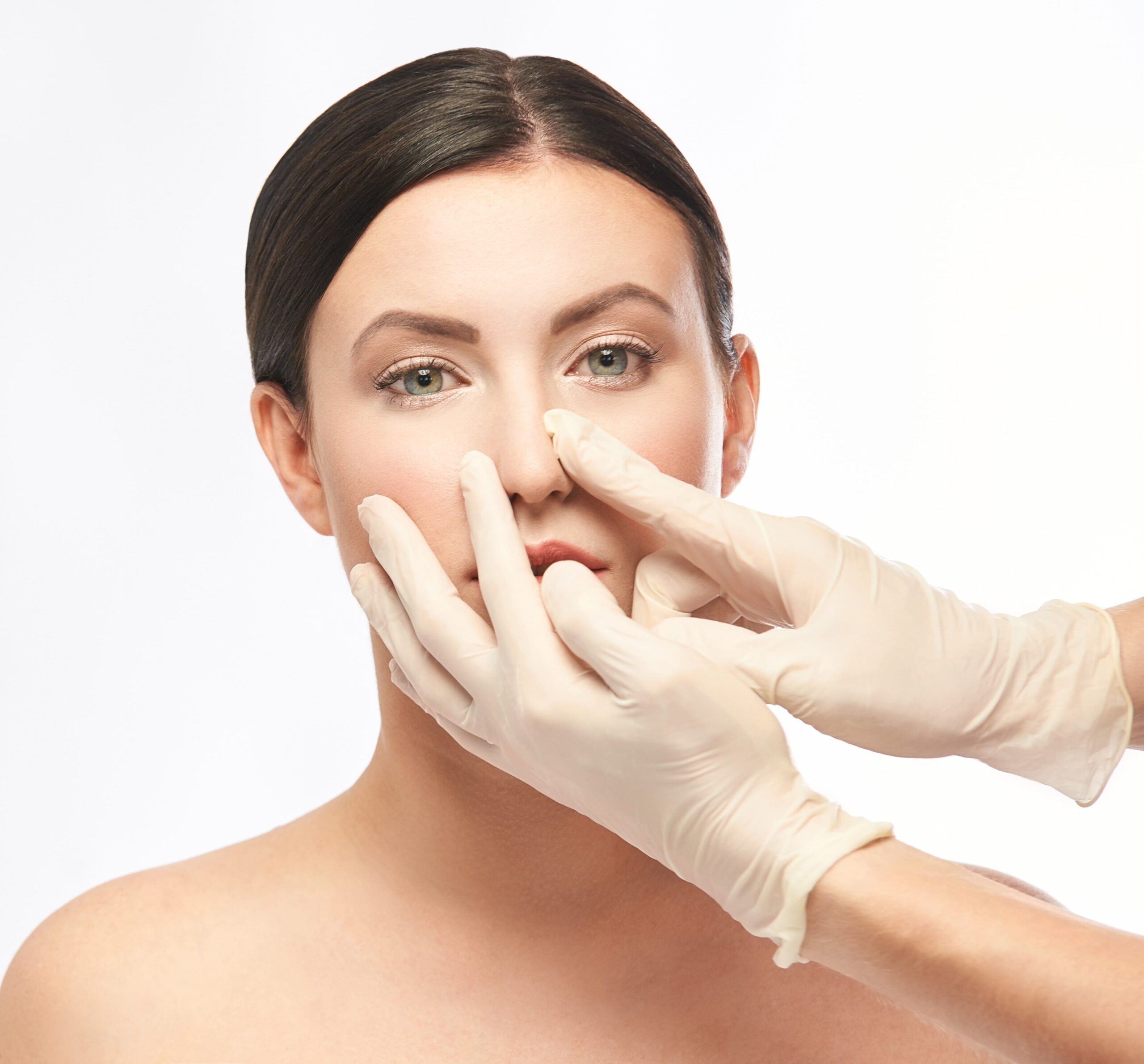
- Consultation: Patients begin with a detailed consultation. This includes a review of medical history, examination of the nasal and facial structure, and discussion of functional or aesthetic concerns. In some cases, imaging may be used to plan the surgical approach precisely. Your aesthetic goals and any functional concerns will be discussed in detail.
- Medication & Lifestyle Adjustments: You will receive specific advice on medications to avoid (such as blood thinners), dietary restrictions, and other necessary preparations (like avoiding smoking) to ensure a safe surgical experience and promote optimal healing.
- Pre-Surgery Instructions: Detailed pre-operative instructions will be provided, including guidelines for fasting before surgery (depending on the type of anesthesia used) and tips for preparing for a comfortable recovery at home.
If You’re Considering Rhinoplasty, Get in Touch Today
Submit your details, and we’ll be in touch with you soon.
38 Irrawaddy Road, Singapore 329563
Mon – Fri: 10:00 AM – 6:00 PM
Weekends & PH: Closed
Contact Us Today
Exploring rhinoplasty but unsure about the right approach? Dr. Marco provides personalised consultations to discuss your goals and the most suitable techniques.
For more information or to schedule a consultation, call us at 6464 8075 or complete the form below.
Frequently Asked Questions (FAQs)
Rhinoplasty is typically performed after nasal growth is complete, usually around 15-16 years for girls and a bit later for boys, to ensure stable and lasting results.
While the nose plays a role in vocal resonance, significant changes to your voice after rhinoplasty are rare. Any subtle changes are usually temporary as swelling subsides.
Initial results are visible once splints are removed, but significant swelling can persist for several months. The final results typically emerge over 6 months to a year, or even longer, as all swelling resolves.
Yes, rhinoplasty can address structural issues like a deviated septum or collapsed nasal valves that impair breathing, improving airflow and function.
Nasal packing is sometimes used internally to provide support and reduce bleeding, though it’s less common now with newer techniques. An external splint or cast is typically applied to maintain the new shape.
It is generally advised to avoid wearing glasses that rest on the bridge of your nose for several weeks to months after surgery to prevent pressure that could affect the healing bone and cartilage. Your surgeon will provide specific guidelines.